Can you introduce yourself?
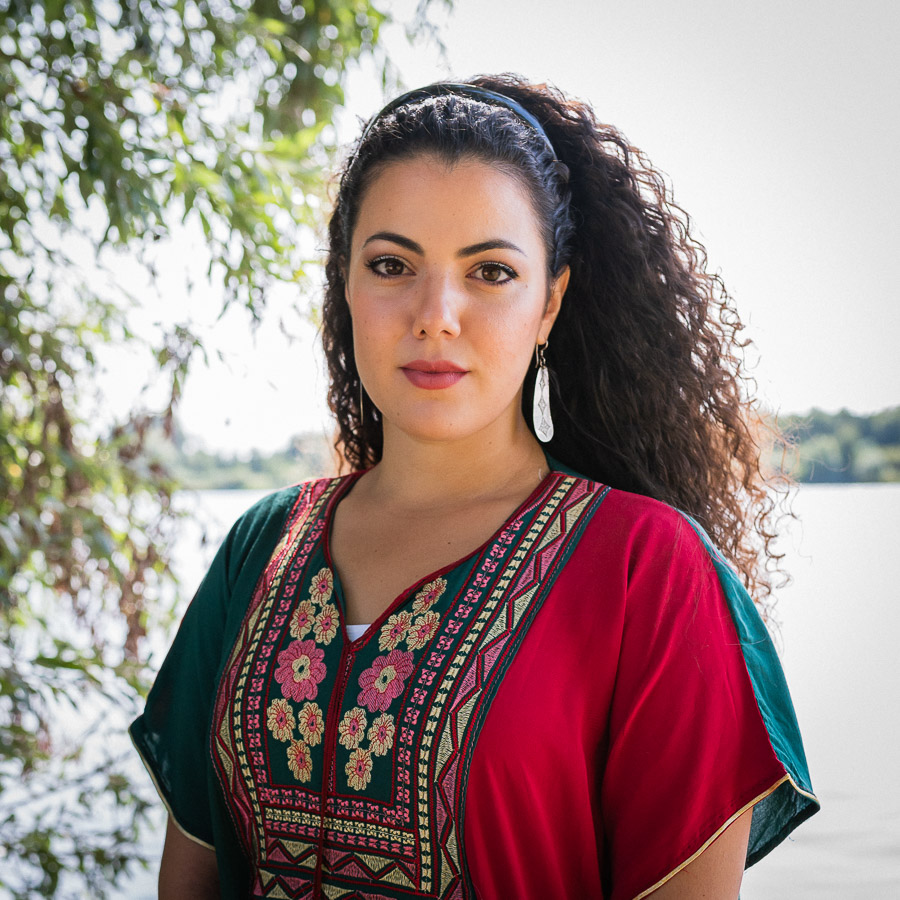
My name is Nai Barghouti, I am a Palestinian musician; I am a singer, composer and fluteplayer. I moved to the Netherlands six years ago to study music. I first started here thinking I would only be here for a couple of years to finish my BA and then move back to Palestine. But then I found myself doing my masters.
Now I am still here. I really like it here. It is the closest thing to feeling a sense of home away from home which is Palestine.

Where can you dream?

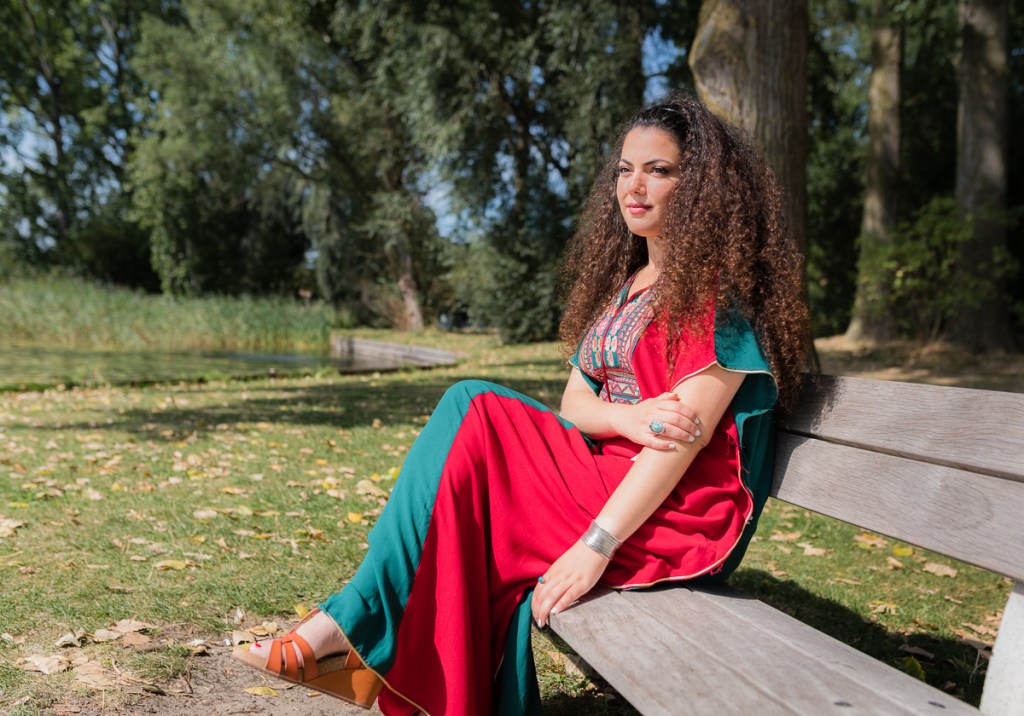
This place, here in Gaasperplas, was one of the first places I visited when I arrived in Amsterdam. A friend took me here and showed me this space. I love that I can have a moment to myself. I always felt that I could come here to clear my mind and think about things. I love the water. In Palestine, many Palestinians don’t get to see the sea. I was lucky enough to travel and see the beauty. Nature has a way to calm me and slow me down. As a musician I am always running around. I have a lot of obligations and responsibilities, so being with nature has a very humbling feeling to it. I enjoy the leaves, the water, the sky, birds and the sounds of nature. It feels very humbling and soothing to look around and to just be.
What is your Indigenous dream?
I think coming to the Netherlands made me pay attention to a lot of details that I didn’t pay attention to before. The scariest part of oppression is that at one point you get used to it. You start thinking it is the norm and you start adjusting and adapting. You learn to live with lots of difficult things on a daily basis, so at some point you forget that this is far from normal. Coming here made me aware of the little things that make life easier. A simple yet extremely difficult example is checking google maps to see how long it takes to get somewhere and not
having to add three hours or more to most trips just in case of a holdup by an Israeli checkpoint. These are little things Palestinians deal with and suffer from on a daily basis. It allowed me to really understand what I have been through and how important it is to feel this freedom, in parallel to all the impossible things that Palestinians go through, from losing loved ones, to home theft, illegal Israeli settlements, checkpoints, apartheid, ethnic cleansing, administrative detention and massacres, there are also the little daily details that really matter as well and that we usually forget to talk or think about, even amongst ourselves, because they are overshadowed by the huge tragedies. So, my dream is that we as Palestinians get the chance to dream. Because right now we don’t have it. I dream that we as Palestinians get the chance to choose where to go in life, to be able to chase after our dreams and go through life in all its complexity (regular human complexity and not oppression-related complexity).
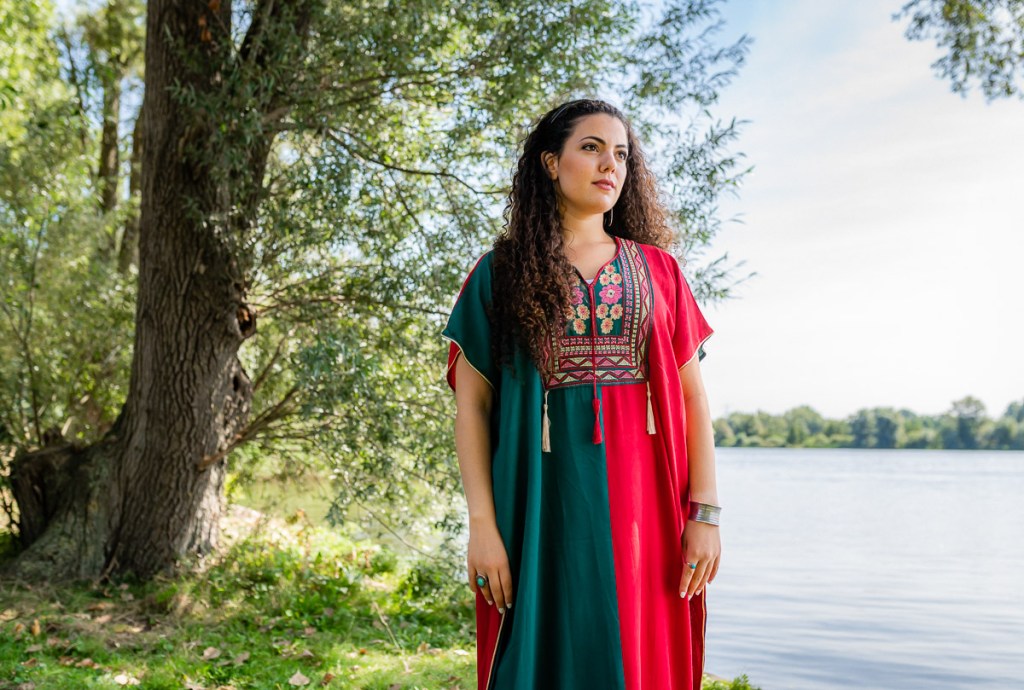
The images come to mind of the videoclip of your song Anthem for the Land where there are a lot of subtleties. Not the sensationalist horror of war but it is the terror of always being mindful, of having to make an exit or hide. Can you speak to that song and how it relates to your vision?
This anthem is part of my debut album, titled: “Nai-1”. I decided to release it a day after the Palestinian-American journalist, Shireen Abu Akleh, was murdered while on duty by an Israeli sniper. The footage of her funeral, with thousands of Palestinians gathered together holding her coffin, chanting her name, singing, crying and shouting in agony for her life, was extremely moving and inspiring.
Even through her funeral, people were beaten up and violated by Israeli soldiers. As Palestinians, even our corpses are a threat to our occupiers! The footage of that funeral has stayed with me till today. So, the anthem of the land is a hopeful promise. A song written by my Palestinian friend, Aous Shaheen about resistance and fighting towards freedom to live the life we want to live in Palestine and in the beauty of Palestine.
The last sentence always gives me goosebumps: “humiliation will be overcome”. It is such a powerful promise. An intimate and vulnerable promise.
Yes, that is what we hope: to overcome humiliation and injustice.
And how to deal with historical loss?
I think that is one of the hardest things for me. I don’t think I have THE correct answer. But I noticed that what helps me a lot is bringing a lot of my culture wherever I am in the world.
So for example, playing Arabic music here in the Netherlands and performing in various important venues that are not used to having a lot of Arabic music or Palestinian artists.
Theaters like the Concertgebouw. I think it is very important to have the chance to perform as a Palestinian musician and to be talked about as a Palestinian musician. It draws people’s attention to something they are not used to seeing a lot. When people watch the news about Palestine they sometimes get very biased views, sometimes very wrong and inaccurate views on what is Palestine. I come from a place where I see a lot of beauty. A lot of talent. A lot of love. A lot of cultural habits and traditions that I feel so proud of and I think makes us very special as Palestinians. So, I like to bring it here to the Netherlands as much as possible with different things that I like to do but most importantly, with music. Music is my way of resistance and of expression. It was the reason why I started music in the first place. I owe that to Palestine. I was seven years old when I started studying music. I have an older sister, Jenna, who plays the violin. I always saw how much music means to her. With all the things we were going through as Palestinian children, not having all the tools to express ourselves, I found music to be my tool.
Your medicine
Exactly. And the way that I compose I can convey my feelings to different kinds of people through music. So I think it is a very powerful tool.
Digesting the indigestible.
Yes Exactly.
So how do we practice this healing our relationship with earth and each other?
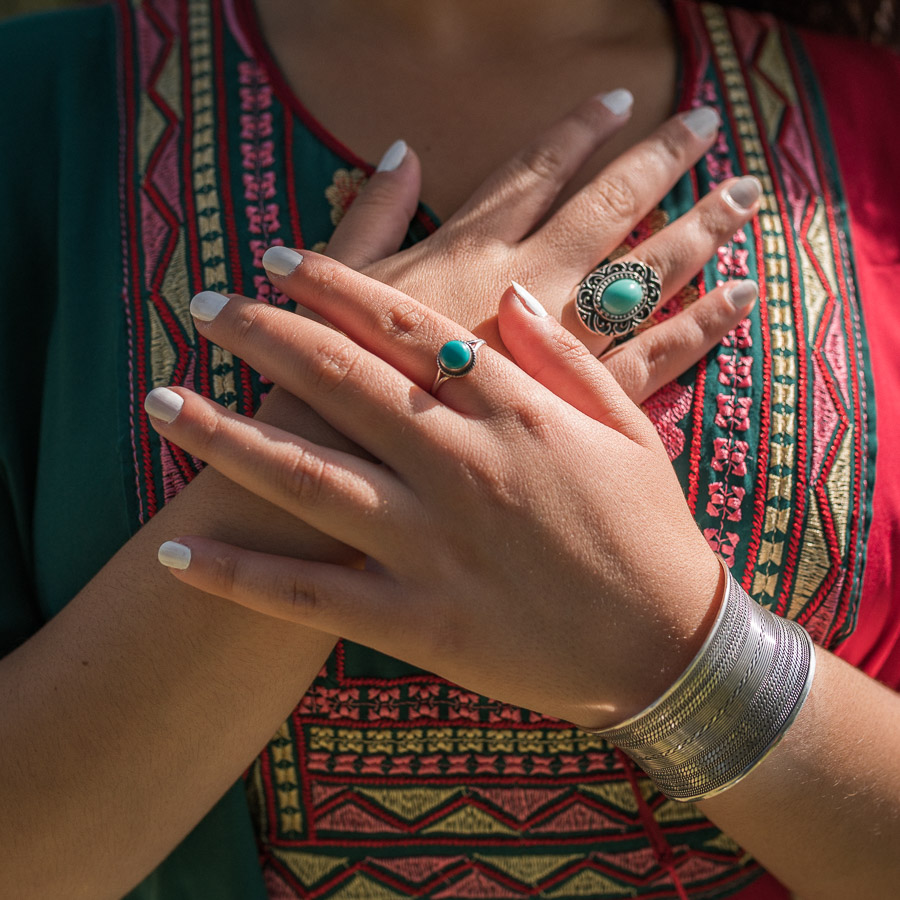
I think that when you are oppressed for so long, you sometimes forget that the chains are breakable. Sometimes you may get the chance to break your own chains, but you are used to not being able to do so. Even after six years of living here in Amsterdam, I still can not free myself completely from the occupation, the injustice and racism we go through.
This causes us to build new chains that we grow up with and get used to as oppressed people.
Internalizing it
Exactly. I think it negatively affects our relationship with ourselves and with each other. We go into this cycle…
A trauma response
A trauma response to what we have been through and we get sucked into it. It may be natural to be there, because there’s a lot of pain. I think we have to be there in order to break free of it somehow. You must remind yourself: You can actually do this. You are not being stopped right now… That thought is very empowering.
That can build good muscle memory that there are still things that are changeable.
Yes. That you are not defined by being oppressed. That is something that happens to you unfortunately… to us. And we have to resist it, we have to fight it in our own way. But it doesn’t define me. The fact that I am oppressed doesn’t define who I am and what my essence is. I am so much more than that.
Photography: Mia Tengco
Artistic Director/text editor: Chihiro Geuzebroek
 INDIGENOUS DREAMS
Leave a comment