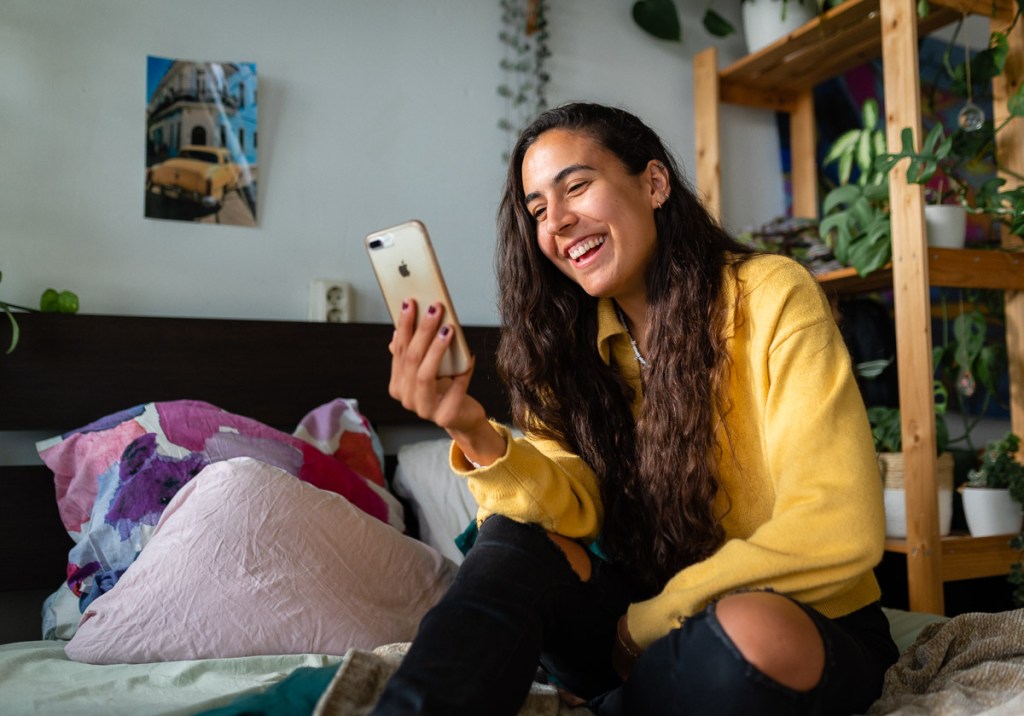
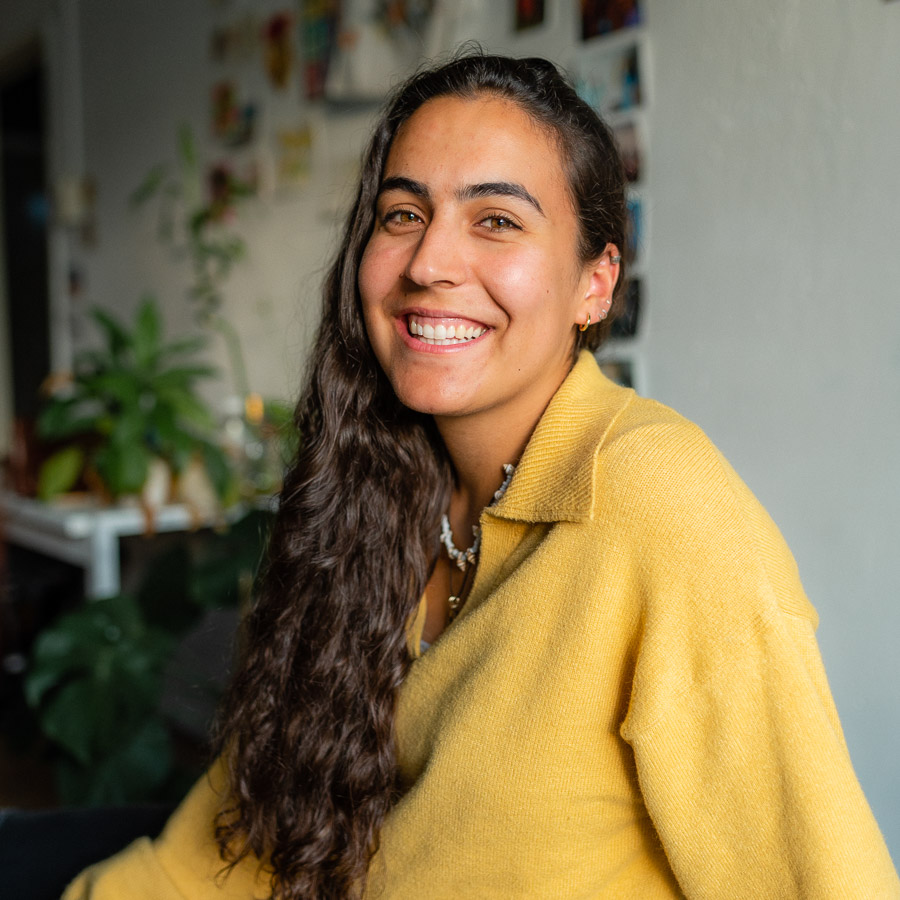
Can you introduce yourself?
I am Jeike. I am Arawak from St Vincent island but I grew up in California and lived 22 years there and two years ago moved to the Netherlands. My dad is Dutch. My Dutch roots were calling. Haha. I grew up in Santa Cruz and I studied at Santa Barbara and I was really close to the Chumash people,
the coastal band of the Chumash nation. Which is the area of the land that Santa Barbara occupies. I got pretty involved with the Indigenous community there and other diasporic students and we did a lot of activism at the university level and state level and even globally: we worked on the Mauna Kea campaign; protecting a sacred mountain in Hawaii from desecration. There is this telescope project they want to impose on Indigenous land. There are grave sites there and flora and fauna that you can not find anywhere else in the world. Like pretty much the building of this project would be an environmental disaster.
Where can you dream?
It is hard to pinpoint one particular place. I have grown up next to the coast – open bodies of water. That feels safe. Also being in a house that feels safe. When I first moved here my room didn’t necessarily feel like a place where I could dream. I build that over time. And I think another place where I can dream is when I am in community with other people. Where my dreams can be validated and worthy and understood by other people.
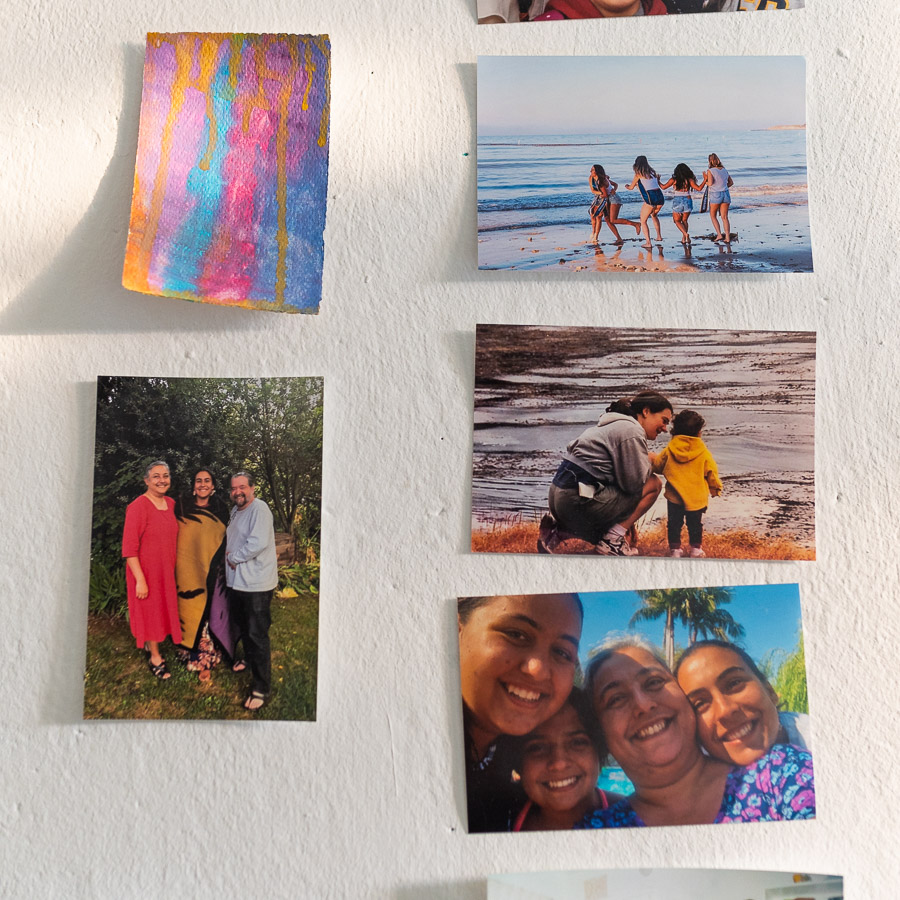
What is your Indigenous dream?
If I hear Indigenous dreams I think of the communities that I have built and those dreams like stopping the creation of the 30 meter telescope on Mauna Kea or advocating within the universities for an American Indian and Indigenous studies program at UC Santa Barbara. That was also part of my activism.
All of these dreams that we have as a community. That is what I think of. And to me the way you actualize a lot of those dreams is through education. That doesn’t necessarily need to be within an institution. But education in general is how I think we can actualize some of these freedom and visibility for our community. Cause what it comes down to a lot when we go into these advocacy meetings with decision makers, when we say we have these issues people don’t even know that we exist. We don’t get invited to the table. They don’t even know. I gave a graduation speech at my college. Something I said was: ”Not only was I the educator of my peers but I was the educator of my educators. There are so many professors and teacher that have no understanding whatsoever of the genocide history of Indigenous peoples across US, the Americas and across the world. They are not capable of understanding what it is like to be an Indigenous person on a deeper level. For an educator that is really unacceptable. So what would happen is I would be in meetings advocating for Indigenous students and Indigenous study programs and these 50+ year olds are asking me about these intimate histories and cultures and rituals. A lot of this stuff holds a lot of trauma. If you are asking a student to explain genocide that is unacceptable. That I am not able to speak my language or sing my songs, that there are certain histories that are gone… is a result of genocide and that is very direct and immediate. To a lot of people they know so little about our histories that they don’t even understand that that is traumatic to talk about.
How do you deal with loss(es)?
I deal with loss by creating new things. Having a loss of one thing but then instead going to the other end about it and having activism.
I think it ties into my Indigenous dream. I really see protest as an integral part of Indigenous history and culture and livelihood. It has become a way of life. Not that is what it should be. But out of necessity it has become part of being. We have to scream and shout sometimes to get repsect and to exist and live and fight against the genocide that is happening. You need to fight back. For me protest and activism is part of our livelihood, and being with community and uplifting struggles together is a way how we survive and we get heard. So it is something that I do.
For example my Indigenous community in Santa Barbara we would often talk together and someone would have lost their language and then someone else would share some words from their language. And teach them how to say something. Or someone lost a traditional meal and someone else would bring some food from their traditional meal and share that with that person who lost that part of their culture. or there was one friend who would always make earrings; beaded earrings for people who didn’t know how to do that. That was part of the culture that was separated from them. So through community sharing there was this potluck or quilt of cultures of people coming together and sharing the different pieces of the culture that hadn’t been lost. And it is a beautiful and unique way to push against colonialism. And it also shows why these cultures are so important and these histories and why cultural appropriation is so messed up. It is very intimate to be able to have and hold on to these traditions. They are so sacred to us. The last remaining things we have are so important. I dealt with loss by listening to other people’s stories. And sharing with their cultures; the remaining pieces. And building new things.
It connects to my Indigenous dream to not have to do that. To not have to hold on so tight and fear it will be taken away and know it will still be there. It requires a couple different things. It requires some institutional change. That there are no institutions actually fighting against student’s to explain their histories. That there is more support. And it requires a social change. That people are respectful to other people’s cultures and let it exist and let it be. Without appropriating it , demeaning it and taking away meaning.
Unfortunately that’s not what we experience at school…
I was in second grade, seven years old, when we were instructed to stand for the pledge of allegiance to the United States (flag). And I didnt. I was sent to the principal office for it. Cause I wouldn’t stand. And my mom came in and said I didn’t need to stand and it is protected in the supreme court that no one has to stand for the pledge of allegiance. They couldn’t do anything about it but I definitely got looked at weird ny others and the teacher was not ok with it. That’s another example of how schools privileges the western stories obviously. I was uncomfortable every single day of the school year having to sit when everyone stands. But if we don’t protest we assimilate. And we need to protest all through education. At University at UC Santa Barbara there was a lot of disrespect when it came to the administration towards Indigenous students. So I worked on that and tried to get there to have some conversation.We also worked on the repatriation of Native American ancestors’ bones and artifacts. A lot of museums and the universities hold the bones of the ancestors in their walls and treat the bones like objects of a museum when they are actually our great great grandparents.So we worked with state legislators to lobby for a bill that would fix loopholes that prevented repatriation. I organized a statewide lobby trip and we all went to the capitol in Sacramento and lobbied to different state representatives. We went to their offices.
Here at the university of Amsterdam I studied conflict resolution. There was a speaker that came in and said that all the Indigenous people of Maine don’t live there anymore. That they are all gone. it was complete erasure; absolute paper genocide. I said something about it and he got really upset. And people got really offended and got uncomfortable that I told him you are erasing Indigenous people who live there. People didn’t want to hear the Indigenous side of the story. Because it was uncomfortable for them to listen. It is easier for them to think Indigenous people are all gone. I experienced a lot of racism at the UvA and my complaints were not addressed.
And then how do we heal our relationship with earth and each other?
For me to persevere I gain strength from conversations with my mother. During covid when I did my Masters here I called her a lot. She experienced institutional racism. Her career does not progress as fast as other colleagues. Some make twice as much as her but have worked there half as long or published as many publications. We talk about everything. It really helps me.
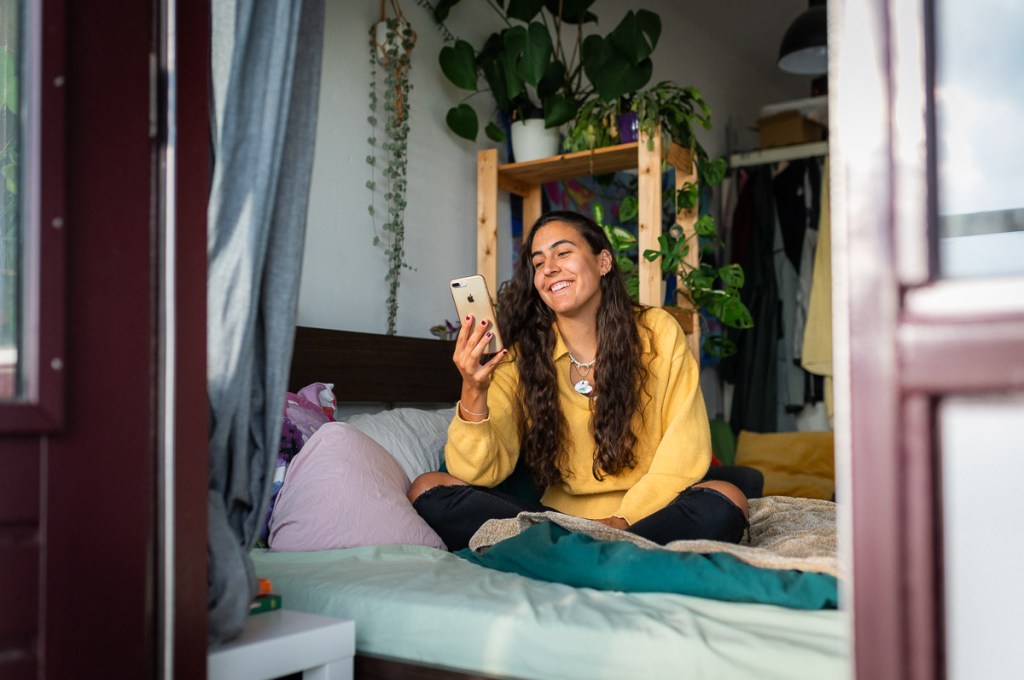
People in academia only want to see things in one way; the western way. You learn in a western language; English, maybe Dutch here. You have all this structure, things you have to do and then you take a test and then you graduate and everyone sits in a class and a teacher in front of the class and you have to be good enough. And it is all very rigid. And you have to think who created that? Who created this system? It wasn’t Indigenous people. You also have to take into account how other cultures share stories and histories and look at things. Indigenous knowledge is not taken seriously in Academia. If I write down some oral histories from an elder, which is what I did for my thesis at the UvA, it is not taken seriously. Elders are not seen as real sources. Neither is oral history. But a lot is white people going into those spaces and recording knowledge and being rewarded for it. We need to shift in people’s minds what knowledge is. So people need to understand Indigenous knowledge is real knowledge. And that oral history is in fact real history. It’s like colonial capitalism is seen as ascended, actualized and smart. Instead of taking a step back. Maybe it is smart to be in tune with the earth and give and take in a reciprocal way that is sustainable long term. To me that sounds a lot smarter.
Photography: Mia Tengco
Artistic director/text editor: Chihiro Geuzebroek
 INDIGENOUS DREAMS
Leave a comment